HIPAA Risk Assessment Checklist for Small Clinics (Critical Steps 2026)
Table of Contents
Introduction to HIPAA risk assessment checklist for clinics
A HIPAA risk assessment is one of the most important steps any healthcare clinic can take to protect patient data and avoid costly compliance violations.
Many small clinics believe they are secure — but without a structured assessment, serious risks often go unnoticed. From weak passwords to unsecured devices, even small gaps can lead to major data breaches.
In this guide, we break down a simple, practical HIPAA risk assessment checklist designed specifically for small clinics.
What is a HIPAA Risk Assessment?
A HIPAA risk assessment is a process used to identify, evaluate, and reduce risks to protected health information (PHI).
According to the , healthcare providers must regularly assess how they protect patient data and implement safeguards.
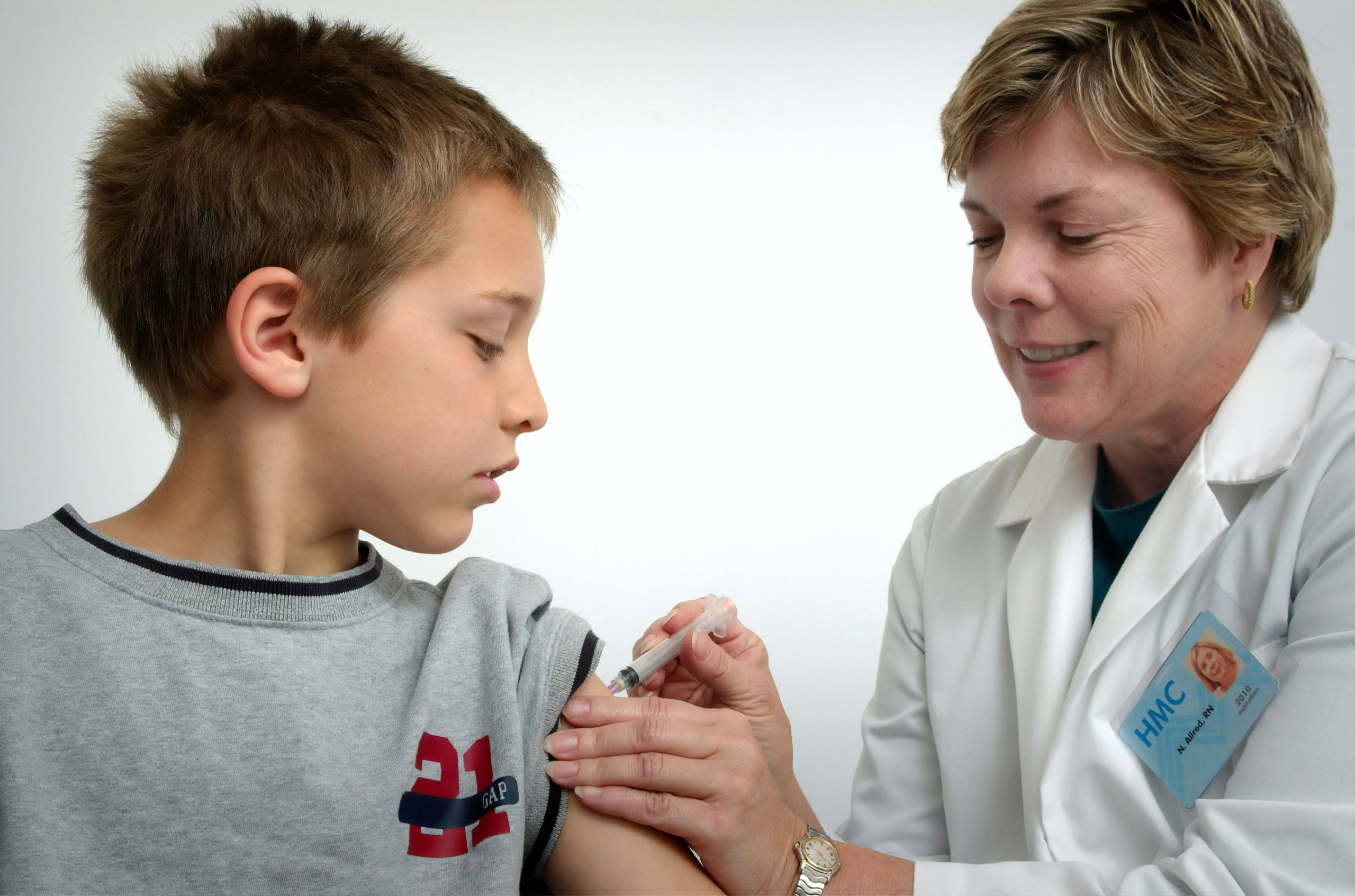
HIPAA risk assessment checklist for clinics
HIPAA Risk Assessment Checklist
1- Administrative Risk
Administrative safeguards focus on policies, procedures, and staff behavior.
Check the following:
Do you have written HIPAA policies?
Are employees trained on HIPAA compliance?
Is there a designated security officer?
Are access levels assigned based on roles?
👉 Related: guide – HIPAA Compliance Checklist for Small Clinics
2- Technical Risk
Technical safeguards protect electronic systems and data.
Check:
Are strong passwords enforced?
Is Multi-Factor Authentication (MFA) enabled?
Are antivirus and security tools installed?
Are systems regularly updated?
👉 Related: Cybersecurity Threats in Healthcare (2026)
HIPAA risk assessment checklist for clinics
3- Physical Risk
Physical safeguards prevent unauthorized access to devices and records.
Check:
Are screens visible to unauthorized people?
Are paper records stored securely?
Are computers locked when not in use?
Are devices protected against theft?

4- Data Protection Risk
Data protection ensures PHI is secure and recoverable.
Check:
Is data encrypted?
Are backups performed regularly?
Are access controls properly configured?
Is email communication secure?
👉 Learn more about protecting health information: https://www.hhs.gov/hipaa/for-professionals/security/index.html
5- Network Risk
Network security protects your clinic from external threats.
Check:
Is Wi-Fi secured with strong passwords?
Is a firewall in place?
Is your network segmented?
Are unauthorized devices blocked?
6- Incident Response Risk
Every clinic must be prepared for a breach.
Check:
Do you have a breach response plan?
Are employees trained to report incidents?
Is there a clear reporting process?
7- Website & Digital Risk
Your website can also expose patient data.
Check:
Does your website use HTTPS?
Are forms secure?
Is there a privacy policy?
Is your website updated regularly?
👉 Related: Our HIPAA Compliance Services
Common Mistakes Clinics Make
Many clinics fail compliance due to simple mistakes:
- No formal risk assessment
- Weak password practices
- No employee training
- Sending PHI via unsecured email
- Using unprotected USB drives
Why HIPAA Risk Assessments Matter
Failing to conduct a proper assessment can lead to:
Fines up to $50,000 per violation
Data breaches
Loss of patient trust
A proactive approach helps prevent these risks before they happen.
Get Professional Help
If you’re unsure where your clinic stands, a professional assessment can quickly identify gaps and provide a clear action plan.
👉 Get Your Free HIPAA Risk Assessment Today
We help clinics in Orlando and Tampa improve security and stay compliant.

Conclusion HIPAA risk assessment checklist for clinics
HIPAA compliance starts with understanding your risks. By following this checklist, clinics can take the first step toward protecting patient data and avoiding costly violations.
Consistency, training, and proper security measures are key to long-term compliance.