How Small Clinics Can Become HIPAA Compliant (Avoid Costly Mistakes 2026)
Table of Contents
Introduction to how to become HIPAA compliant for small clinics
The truth is — most violations happen because of simple mistakes that can be easily prevented.
With the right steps, any clinic can become HIPAA compliant, protect patient data, and avoid costly penalties.
In this guide, we break down a simple, step-by-step process to help small clinics achieve compliance. how to become HIPAA compliant for small clinics
Step 1: Understand HIPAA Requirements
HIPAA requires healthcare providers to protect patient information, also known as protected health information (PHI).
This includes:
- Patient records
- Emails containing health data
- Billing information

How become HIPAA compliant for small clinics
According to the , clinics must implement administrative, technical, and physical safeguards to protect this data.
Step 2: Conduct a HIPAA Risk Assessment
Before fixing anything, you need to identify where your risks are.
A risk assessment helps uncover:
- Weak passwords
- Unsecured devices
- Lack of employee training
how to become HIPAA compliant for small clinics
👉 Learn more in our detailed guide:
how become HIPAA compliant for small clinics
Step 3: Implement Security Measures
Once risks are identified, clinics must implement basic security controls.
This includes:
- Strong passwords
- Multi-Factor Authentication (MFA)
- Antivirus protection
- Regular software updates
👉 Related: Cybersecurity Threats in Healthcare (2026)
Step 4: Train Your Staff
One of the biggest causes of HIPAA violations is human error.
Staff must be trained on:
- Handling patient data
- Recognizing phishing emails
- Reporting suspicious activity
👉 Related: HIPAA Compliance Checklist for Small Clinics
Step 5: Secure Communication
Many clinics unknowingly violate HIPAA by sending patient data through unsecured email.
To stay compliant:
- Use encrypted email solutions
- Avoid sending PHI over personal email
- Limit access to sensitive data
Step 6: Create Policies and a Breach Response Plan
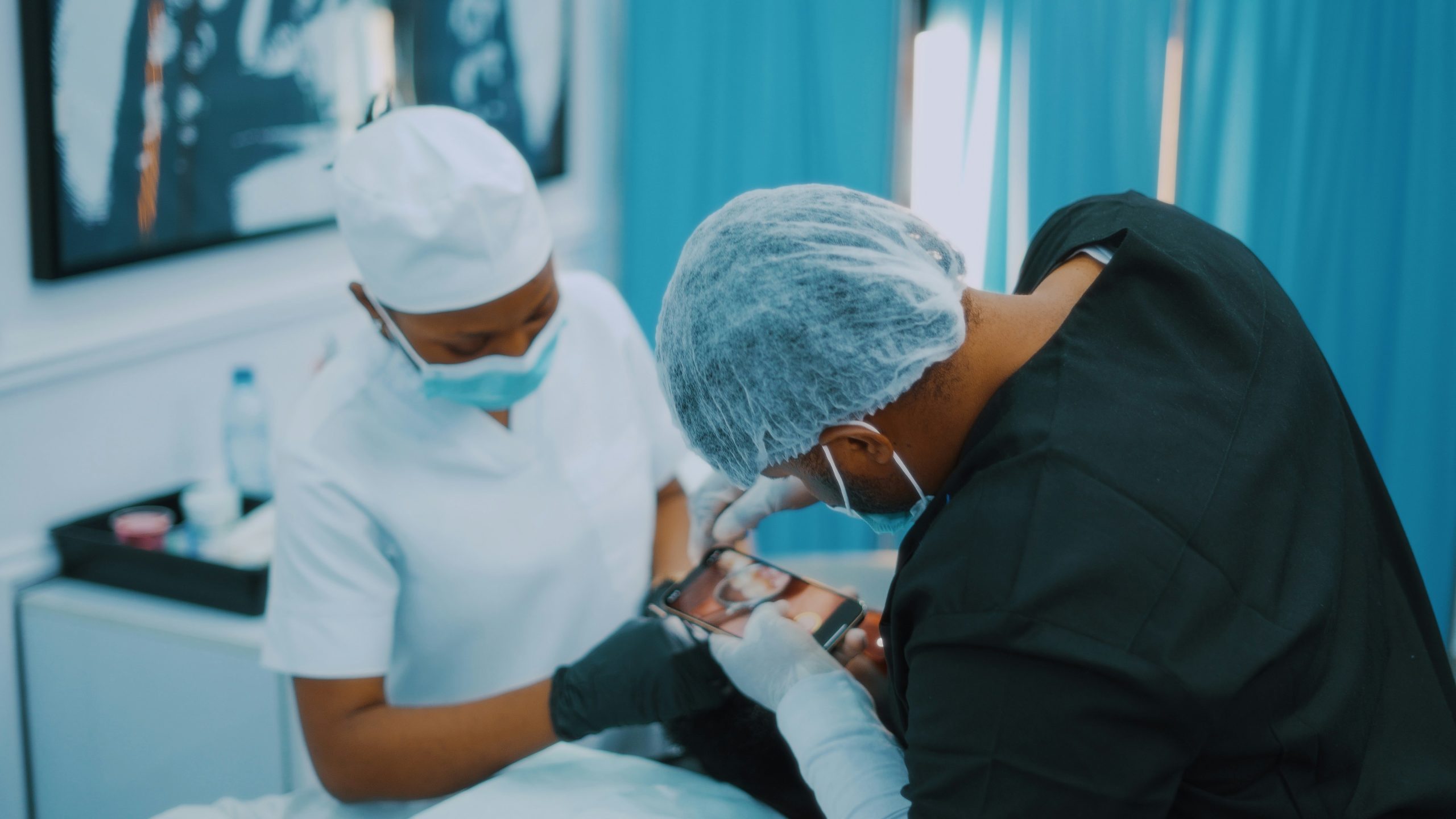
How become HIPAA compliant for small clinics
Every clinic must have documented policies and procedures.
This includes:
- HIPAA privacy policy
- Data access rules
- Incident response plan
A clear breach response plan ensures your clinic can respond quickly to security incidents.
Step 7: Monitor and Maintain Compliance
HIPAA compliance is not a one-time task.
Clinics must:
- Regularly review policies
- Update systems
- Conduct periodic risk assessments
👉 Learn more about ongoing compliance requirements:
https://www.hhs.gov/hipaa/for-professionals/index.html
Common HIPAA Mistakes to Avoid
Many clinics fail compliance due to avoidable issues:
- No formal risk assessment
- Weak passwords
- Lack of employee training
- Unsecured email communication
- Using unauthorized devices
Avoiding these mistakes can significantly reduce your risk.
Need Help Becoming HIPAA Compliant?
Becoming HIPAA compliant doesn’t have to be overwhelming.
how to become HIPAA compliant for small clinics
👉 Get Your Free HIPAA Compliance Assessment Today
We help clinics in Orlando and Tampa identify risks, implement security measures, and stay compliant.
HIPAA Compliance for Small Clinics in Orlando and Tampa
For clinics in Orlando and Tampa, HIPAA compliance is becoming increasingly important as cyber threats continue to rise.
Local healthcare providers are frequent targets because they often lack advanced security systems. Even small practices can face serious consequences if patient data is not properly protected.
Implementing proper safeguards such as secure networks, encrypted communication, and regular risk assessments can significantly reduce these risks.
Working with professionals who understand both HIPAA regulations and cybersecurity best practices can help clinics stay compliant while focusing on patient care.
How Often Should Clinics Review HIPAA Compliance?
HIPAA compliance is not a one-time task. Clinics should review their security and policies regularly.
how to become HIPAA compliant for small clinics
Recommended schedule:
- Quarterly internal reviews
- Annual full risk assessment
- Immediate review after any security incident
- Regular monitoring ensures your clinic remains compliant and reduces the risk of violations.
Conclusion become HIPAA compliant for small clinics
HIPAA compliance is essential for protecting patient data and maintaining trust.
By following these steps, small clinics can simplify the process, reduce risk, and build a secure environment for both staff and patients.
Taking action today can prevent costly violations in the future.
How become HIPAA compliant for small clinics