HIPAA Compliance Cost for Small Clinics (What to Expect in 2026)
Table of Contents
Introduction to HIPAA compliance cost for small clinics
One of the most common questions clinics ask is:
How much does HIPAA compliance cost?
The answer depends on several factors, including the size of the clinic, current systems, and existing security measures.
What Affects HIPAA Compliance Cost?
Several factors influence cost:
- Size of the clinic
- Number of employees
- Existing IT infrastructure
- Current security gaps
- Level of compliance required
Common Costs Clinics Should Expect
1. Risk Assessment
Identifying vulnerabilities and compliance gaps.
2. Policy Development
Creating required HIPAA policies and procedures.
3. Staff Training
Training employees on HIPAA requirements and security practices.
4. Security Improvements
Upgrading systems, securing email, and improving access controls.
5. Ongoing Maintenance
Regular updates, monitoring, and compliance checks.
Hidden Costs of Not Being Compliant
Failing to comply with HIPAA can result in:
- Financial penalties
- Data breaches
- Legal consequences
- Loss of patient trust
According to the , healthcare providers must implement safeguards to protect patient data.
How Clinics Can Control Costs
Clinics can reduce costs by:
- Identifying gaps early
- Prioritizing critical risks
- Implementing solutions gradually
- Using structured compliance plans
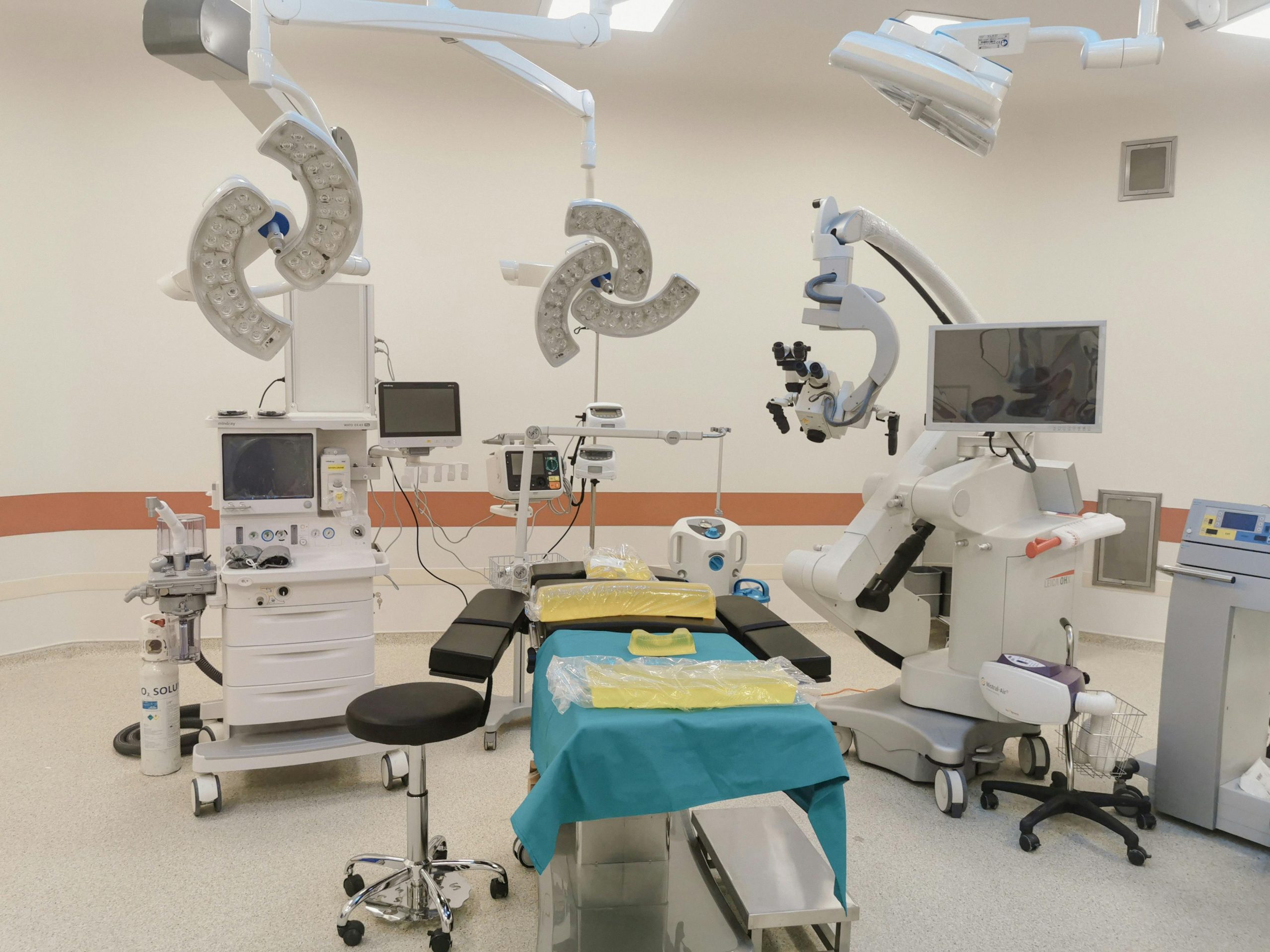
According to the U.S. Department of Health and Human Services, healthcare providers must implement safeguards to protect patient data.
Conclusion HIPAA compliance cost for small clinics
HIPAA compliance is an investment in protecting patient data and avoiding costly risks.
Clinics that take proactive steps can manage costs effectively while staying compliant.
👉 If you’re unsure about your clinic’s compliance level, consider starting with a quick assessment to identify potential risks.